
Is that jar of old change worth a fortune?
If you’ve ever dug through a dresser drawer or inherited a tin of loose coins, the question of value can nag at you: are these historical curiosities pocket change or hidden treasure? Checking the value of old coins doesn’t have to be mystical or expensive, but it does require patience, a few tools, and a reliable process. This guide walks you through everything from spotting a rare mint mark to deciding whether to sell, using practical steps and real-world examples.
Why some coins become valuable
Coins are tiny time capsules: they carry the metal value, the cost of production, and a slice of history. A free coin identifier app worth often depends on scarcity, collector demand, and condition, not just the face value or the year stamped on it.
Error coins—like double dies or off-center strikes—can command prices well above similar, error-free pieces because collectors prize rarity and novelty. Similarly, lower mintage numbers or short-lived designs tend to draw attention from specialized collectors.
Metal content matters too. Pre-1965 U.S. silver coins contain 90% silver, so their melt value sets a baseline price. But the market can and does pay substantial premiums for coins whose historical or aesthetic appeal outstrips metal value.
Initial steps: look closely before you do anything
Begin with care: handle coins by the edges and work over a soft surface to prevent accidental dents or scratches. A simple jeweler’s loupe (10x magnification), a soft cloth, and good lighting will reveal mint marks, small dates, and hairline details that determine rarity.
Record the basics: denomination, year, mint mark (small letters like D, S, or P), and any visible errors or unusual toning. Photograph both sides with a macro-capable camera or a smartphone app; clear images are invaluable when researching online or asking for opinions.
A word of caution: don’t clean coins to make them look nicer. Scrubbing, polishing, or chemical baths can destroy a coin’s patina and dramatically reduce its collectible value. When in doubt, leave the surface alone and seek advice from experienced collectors or dealers.
Understanding grading and how condition affects price
Condition, or grade, is often the single largest factor affecting a coin’s market value. Professional grading systems range from Poor (P-1) to Mint State (MS-70), and small differences in grade can mean large differences in price for the same date and mint mark.
Circulated coins show wear on the highest points; uncirculated coins retain their original luster and may have contact marks from minting rather than wear. Key terms to know include «about uncirculated,» «mint state,» and «proof,» each carrying different expectations for eye appeal and value.
I once bought what I thought was a clean 1916 quarter for a few dollars, only to discover later it had the higher-grade luster and original toning that collectors prize. After submitting it to a third-party grading service, its value rose significantly, which taught me the advantage of learning grading basics before making major decisions.
Reliable resources and price guides
Good references take the guesswork out of valuation. Traditional books like the «Red Book» (A Guide Book of United States Coins) provide historical mintage figures and a baseline price guide. Online platforms update more frequently and reflect current market conditions.
Two widely used third-party grading services are the Professional Coin Grading Service (PCGS) and Numismatic Guaranty Company (NGC); they also maintain price guides and population reports that help you gauge scarcity. Auction houses and completed eBay listings are useful for real-world selling prices.
Below is a compact comparison to help you decide where to look first.
| Resource | Best for | Cost |
|---|---|---|
| Red Book | Historical context, mintage numbers | One-time purchase |
| PCGS/NGC | Grading, certification lookup, population data | Free lookup; grading fees apply |
| eBay sold listings | Actual recent sale prices | Free |
When to seek a professional appraisal or grading
Not every coin needs professional grading, but certain situations make it worthwhile: suspected rarities, high-value pieces, or coins intended for sale at auction. Grading removes much of the negotiation over condition and can significantly expand the pool of buyers.
Be mindful of grading costs and turnaround times, which vary by service level and market conditions. For coins valued under a few hundred dollars, professional grading often isn’t economical; for high-end or rare coins, certification can unlock serious collector interest.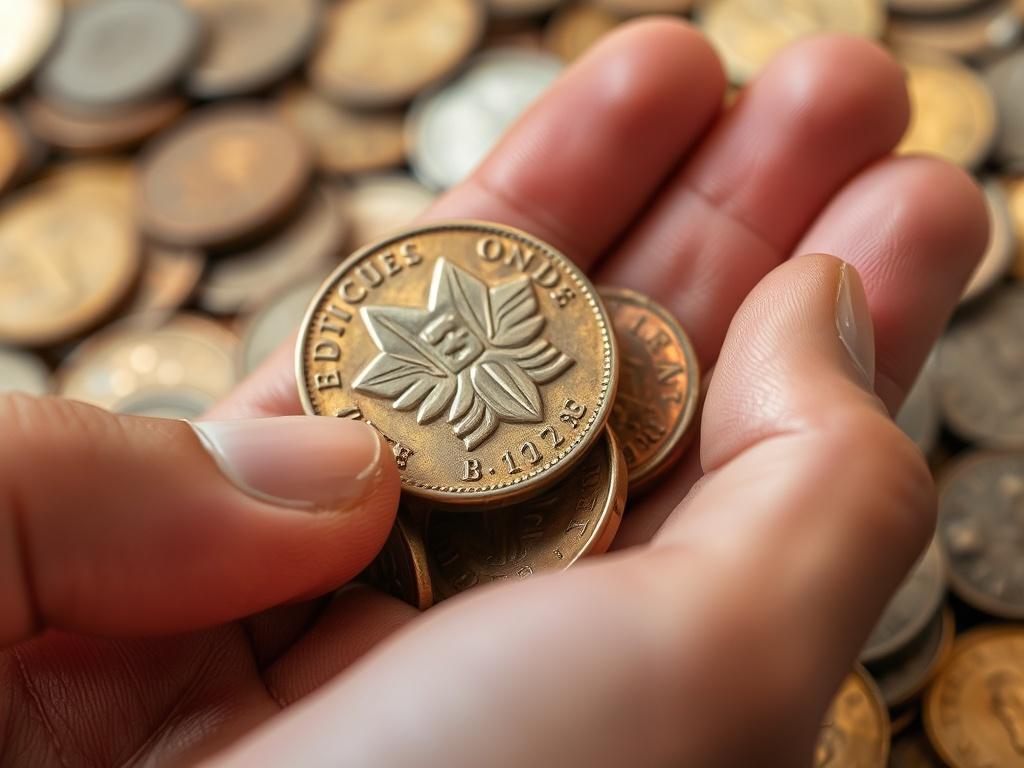
I remember bringing a handful of family coins to a local numismatist; he identified a rare mint mark and advised me to get two coins slabbed. The grading process added clarity and led to an auction sale above what local dealers had offered, proving the value of expert advice in the right circumstances.
How to spot counterfeits and altered pieces
Counterfeits and altered coins are a real risk, especially for high-value issues. Common red flags include mismatched weight, incorrect edge reeding, or details that look softened compared to reference images. A good scale, calipers, and a reference coin help detect fakes.
Alterations—like drilling holes, retooling mint marks, or laminating a base metal core—can be subtle. If a coin’s provenance is unclear and the price seems too good, take extra precautions: compare with certified examples and consult experienced dealers or forums before committing money.
Online communities and diagnostic guides can be surprisingly helpful. I once avoided a fake by finding the same alleged rarity slabbed under a different certification number; that discrepancy prompted further inspection and saved me a painful mistake.
Selling options and how to get the best price
Your choice of selling venue affects speed, convenience, and the final price. Options include local coin shops, online marketplaces, auction houses, and consignment through dealers. Each has pros and cons: shops offer immediate cash but lower returns, while auctions may bring higher prices but incur fees and waiting periods.
If you’re selling online, invest in high-resolution photos, honest descriptions, and proof of authenticity when available. For in-person sales, bring documentation, good lighting, and patience—negotiations often improve when sellers know the coin and the buyer’s market.
Timing can matter. Market demand fluctuates with metal prices and collector trends. For particularly desirable coins—like key-date issues—listing during peak interest or through a specialist auction can maximize returns.
Common mistakes to avoid
One of the biggest errors is overcleaning. Harsh cleaning can create hairlines, remove original surfaces, and slash a coin’s collector value beyond repair. If a coin looks dull, seek professional advice rather than attempting to restore luster at home.
Another pitfall is relying on list prices without checking actual sale records. Guides provide estimates, but the real market is what buyers recently paid. Always cross-check with completed sales and dealer offers before setting expectations.
Also be wary of emotion-driven decisions. Family heirlooms have sentimental worth, but emotional attachment doesn’t guarantee market demand. Balance respect for provenance with realistic appraisal when planning to sell.
Practical tools and small investments that pay off
There are a few inexpensive items every collector should own: a loupe, a small digital scale, calipers, and soft storage flips or coin holders. These tools help you accurately identify and preserve coins, and they show potential buyers you’re serious about care and authenticity.
Consider joining a local coin club or online forum for learning and networking. These communities often host identification nights, bring-in meetings, and swap tables, which are excellent for gaining hands-on experience and trusted contacts.
For larger collections, a basic inventory spreadsheet that records photos, grades, provenance, and purchase price can be invaluable for insurance, estate planning, or consignment decisions. I maintain a simple catalog that has saved hours and prevented disputes later.
A step-by-step checklist you can follow
When you pick up a coin and want to know what it might be worth, use a straightforward process to avoid missteps and wasted time. Follow these steps before seeking offers or making decisions about grading or sale.
- Handle coins by edges and photograph both sides with good lighting.
- Identify denomination, date, and mint mark; note any visible errors or toning.
- Compare to reference books and verify similar coins’ recent sale prices online.
- Weigh and measure if authenticity is in question; consult seasoned collectors for verification.
- Decide whether to seek professional grading based on estimated value and rarity.
- Choose a selling venue that matches your priorities: speed, reach, or top-dollar return.
Checking the value of old coins is a blend of detective work, resourcefulness, and restraint. A few careful observations will often separate everyday pocket change from genuinely collectible pieces. If you enjoy the hunt, the process itself becomes part of the reward; if you’re motivated by profit, the same careful steps protect both buyer and seller.
Whatever you discover in that jar, treat it as a story rather than a shortcut to cash. With patience, the right tools, and a little expert help when needed, you’ll know which coins to keep, which to consign, and which to let go without regret.